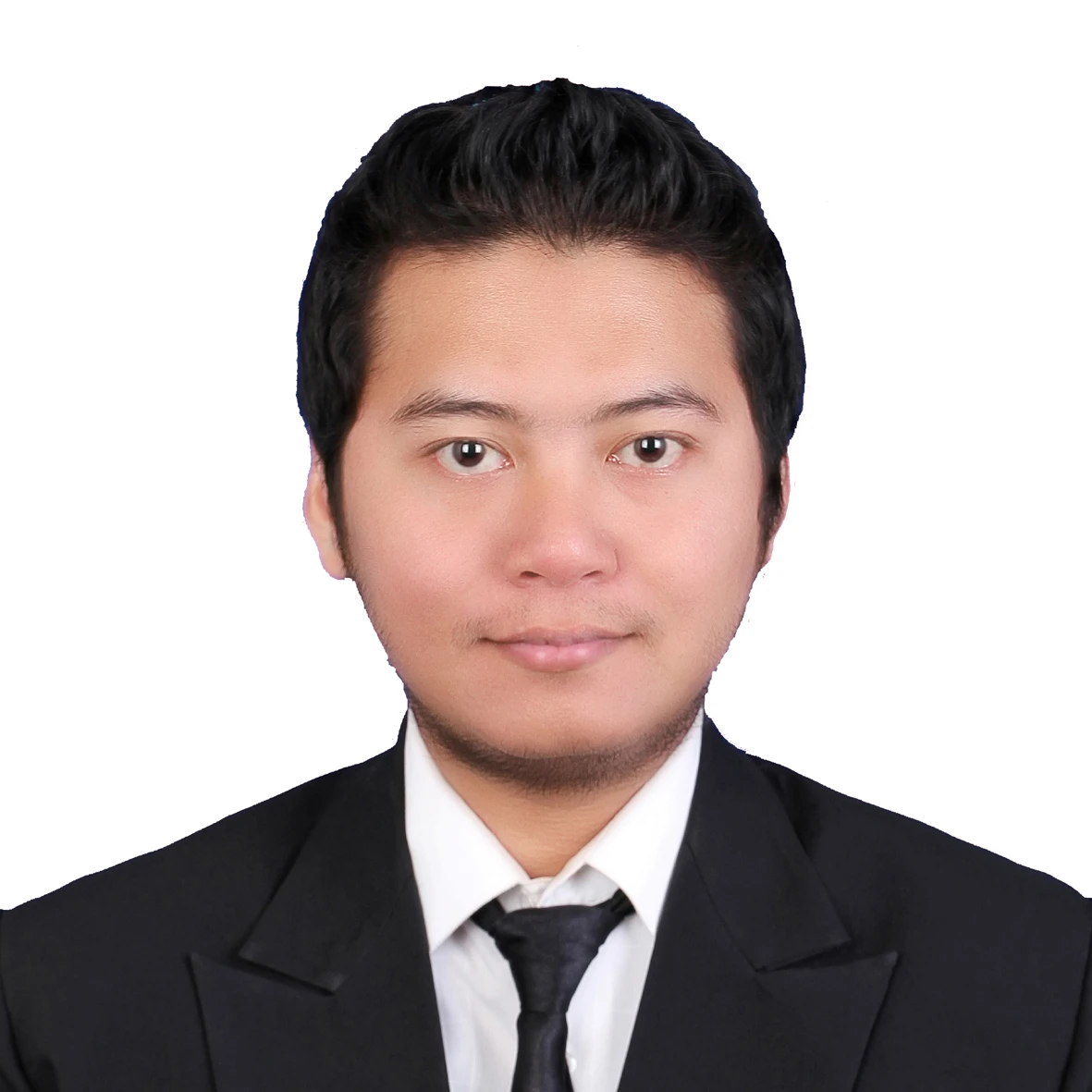
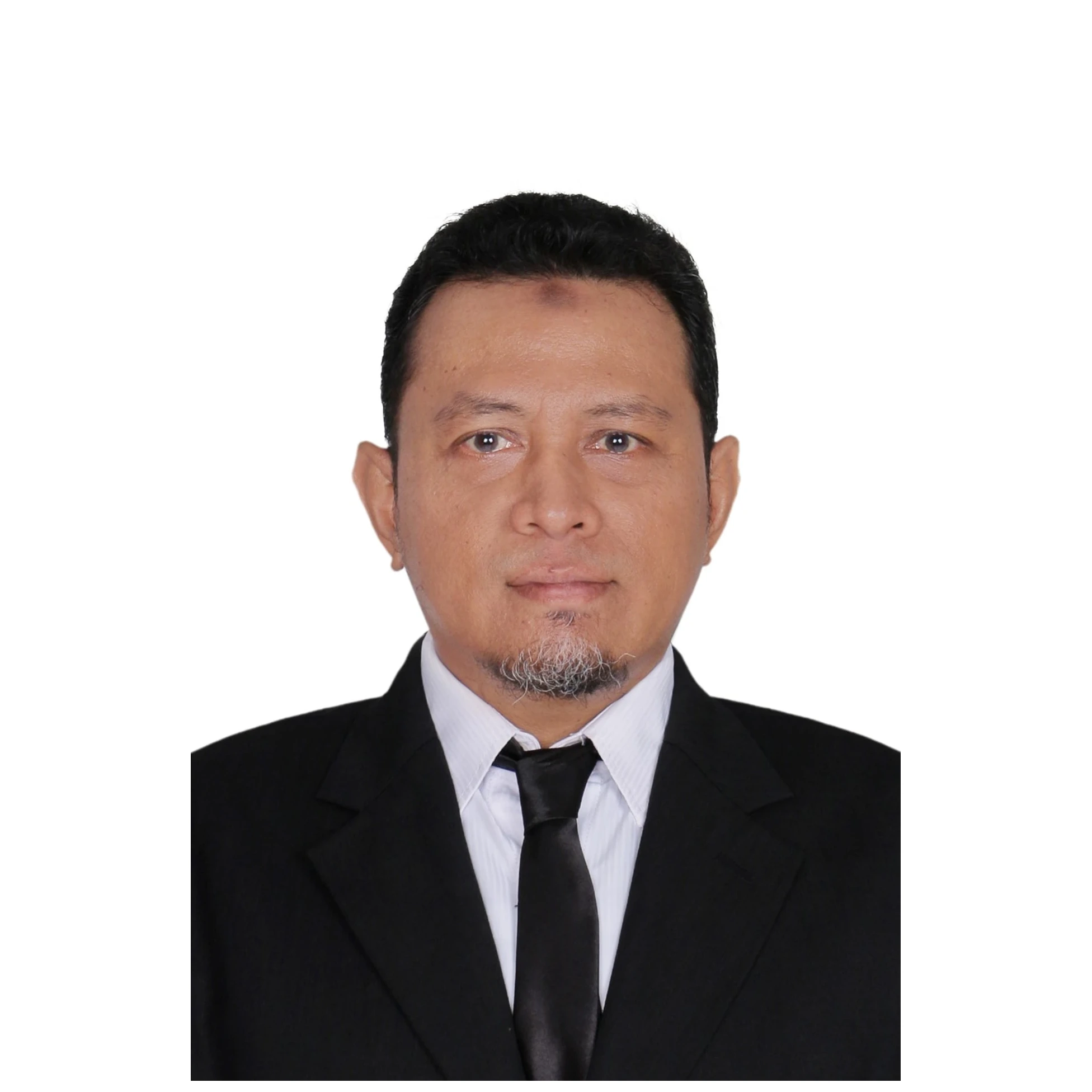
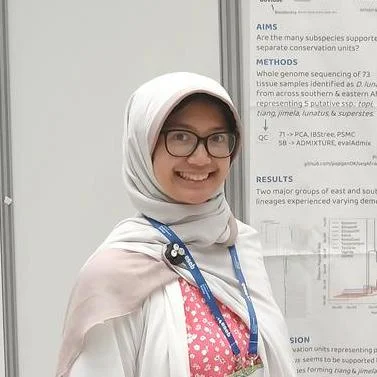
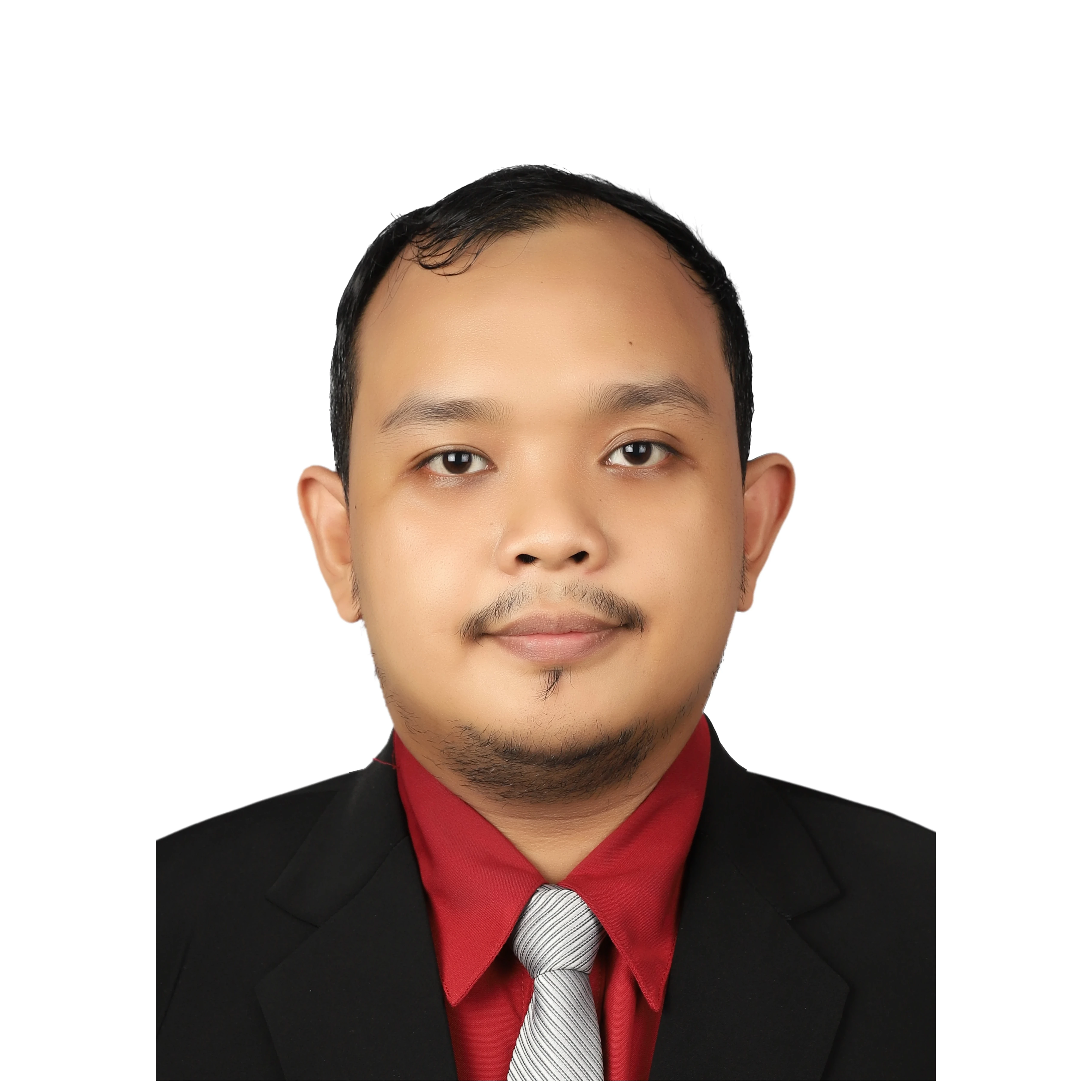
Meet the international speakers, lecturers, and experts convening at the International Summer Course on Tropical Biodiversity and Sustainable Development 2026.
NoteProfile Update
More speaker profiles and biographies will be updated progressively as data becomes available. You can click on “View Profile” of any speaker to read their biography, qualifications, and view or download their CV.
Adhisa Fathirisari Putri, S.Si.
Integrated Genome Factory (IGF)
Senior Bioinformatician specializing in Nanopore sequencing data analysis.
Ahmad Ardi, M.Sc.
Integrated Genome Factory (IGF)
Senior Wetlab Technician specializing in long-read sequencing and molecular cloning.
Alamsyah Pangestu, S.Tr.T.
Aksara Lab Indonesia
Founder & Director specializing in geomatics engineering, remote sensing, and spatial data science.
Prof. Alexander Maier
Australian National University
Molecular parasitologist exploring host-parasite interactions and malaria transmission.
Prof. Alice Hughes
University of Melbourne
Professor in School of BioSciences specializing in conservation biology, biodiversity patterns, and environmental policy.
Arissara Tubtimyoy, M.Sc.
Mahidol University
Bioinformatics researcher specializing in Nextflow pipeline development and long-read sequencing.
Dr. Ashley Jones
Australian National University
ARC DECRA Fellow specializing in plant and fungi genomics, conservation, and invasive pathogens.
Assoc. Prof. Dr. Alona C. Linatoc
University of the Philippines Los Baños
Director of the Training Center for Tropical Resources and Ecosystem Sustainability.
Engki Nandatama, S.Si.
Beams Lab
Bioinformatics Research Assistant specializing in workflow automation and multi-omics data analytics.
Prof. dr. Herman Spaink
Leiden University
Professor of Molecular Cell Biology specializing in infectious diseases, innate immunity, and zebrafish disease models.
Prof. dr. ir. Thomas Groen
University of Twente
Associate Professor at ITC Faculty specializing in spatial ecology, vegetation monitoring, and species distribution modelling.
Prof. Madya Ts. Dr. Muhammad Abdul Latiff
Universiti Tun Hussein Onn Malaysia
Associate Professor at FAST UTHM specializing in conservation biology, primatology, and molecular systematics.
Dr. Matin Nuhamunada
Universitas Gadjah Mada
Lecturer specializing in Systems & Synthetic Biology, Microbial Natural Products,and Bioinformatics.
Dr. Mirza Hanif Al Falah
Universitas Gadjah Mada
Lecturer specializing in Environmental Science, Mangrove Ecology, and Diatom Analysis.
Moses Atmajadwiputra Polela, S.Si.
Integrated Genome Factory (IGF)
Operational Manager specializing in DNA extraction, PCR amplification, and library preparation.
Dr. Mukhlish Jamal Musa Holle
Universitas Gadjah Mada
Lecturer specializing in Ecology, Tropical Forest Conservation, and Restoration.
Mutiara Wahyu Nirmalasari, S.Si.
Integrated Genome Factory (IGF)
Junior Wetlab Technician specializing in molecular biology.
Prof. Dr. Pramaditya Wicaksono
Universitas Gadjah Mada
Professor of Remote Sensing specializing in Coastal & Marine Ecosystem Mapping.
Presilia Nisma Sari, S.Si.
Integrated Genome Factory (IGF)
Junior Bioinformatician specializing in bacterial genomics.
Dr. Rury Eprilurahman
Universitas Gadjah Mada
Lecturer specializing in Animal Systematics, Herpetology, and Aquatic Ecology.
Sabhrina Gita Aninta, Ph.D.
University of Copenhagen
Postdoctoral Researcher specializing in conservation genomics, population genomics, and biodiversity informatics.
Shiddharta Arya Anggoro Cen, S.Si.
Integrated Genome Factory (IGF)
Bioinformatics Staff specializing in genomic analysis and sequence-based data interpretation.
Syafira Nurul Aisya, S.Si.
Integrated Genome Factory (IGF)
Junior Wetlab Technician specializing in molecular biology and DNA barcoding.
Dr. Eng. Thoriq Teja Samudra
Universitas Gadjah Mada
Lecturer specializing in Marine Biotechnology, Microalgae Cultivation, and Bioenergy.
Dr. Worarat Kruasuwan
Mahidol University
Senior researcher specializing in metagenomics, Oxford Nanopore sequencing, and microbiome analysis.
Dr. Ir. Yan Restu Freski
Universitas Gadjah Mada
Lecturer specializing in Thermal Remote Sensing, LiDAR, and Geothermal Mapping.
Rizky Diyan Adityo, S.T.
Aksara Lab Indonesia
Drone Mapping & GIS Instructor
Profiles coming soon
Hasna Rafifah
Aksara Lab Indonesia
Drone Mapping & GIS Instructor
Profiles coming soon
Fenky Wirada
WWF Indonesia
Conservation Specialist
Profiles coming soon
Cania Citta
Malaka
Science Communicator
Profiles coming soon
Amelia Nugrahaningrum
Genau Foundation
Conservationist
Profiles coming soon
Citra Septiani
World Resources Institute
Project Officer
Profiles coming soon
Upcoming Speakers
More international experts & lecturers
Profiles coming soon
Speaker Biography
Adhisa Fathirisari Putri, S.Si.
Integrated Genome Factory (IGF), Universitas Gadjah Mada, Indonesia
Senior Bioinformatician at Integrated Genome Factory (IGF).
Biography
A cell biologist turned bioinformatician. She specializes in analyzing Nanopore sequencing data from a wide range of sources — bacteria, human, plant, and animal — with a particular interest in human genomics. She is also an author and an educator.
Area of Expertise
Bioinformatics: Analysis of sequencing data across diverse taxonomic sources.
Nanopore Sequencing: Long-read data processing and interpretation.
B.Sc. in Biology — Faculty of Biology, Universitas Gadjah Mada, Indonesia
Speaker Biography
Ahmad Ardi, M.Sc.
Integrated Genome Factory (IGF), Universitas Gadjah Mada, Indonesia
Senior Wetlab Technician at Integrated Genome Factory (IGF).
Biography
Ahmad Ardi, M.Sc., is a Senior Wetlab Technician at the Integrated Genome Factory (IGF). He is experienced in molecular cloning research and long-read sequencing using PacBio Revio and Oxford Nanopore Technologies (ONT) platforms.
Area of Expertise
Long-Read Sequencing: PacBio Revio and Oxford Nanopore Technologies platforms.
Molecular Microbiology: Molecular cloning research and microbiology of Rhizobia.
Education & Qualifications
M.Sc. in Microbiology — North Dakota State University (NDSU), United States
Speaker Biography
Alamsyah Pangestu, S.Tr.T.
PT Aksarakan Bhumi Indonesia (Aksara Lab Indonesia), Indonesia
Founder & Director of Aksara Lab Indonesia.
Biography
Alamsyah Pangestu, S.Tr.T., is an Indonesian geospatial professional and entrepreneur specialising in geomatics engineering, GIS, remote sensing, photogrammetry, and spatial data science. He founded Aksara Lab Indonesia in 2020 to provide geospatial consulting services alongside practical training in surveying, mapping, GIS, GeoAI, and spatial technologies.
Besides leading Aksara Lab Indonesia, he has served in project management roles across environmental, mining, disaster management, and digital transformation projects. His interests also extend to cloud computing, UI/UX design, and environmental management.
Area of Expertise
Geospatial Analysis: Geographic Information Systems (GIS), remote sensing, and spatial analysis.
Survey Technologies: UAV photogrammetry, LiDAR, and surveying & mapping.
GeoAI: Machine learning applied to geospatial problems and environmental mapping.
Project Management: Environmental, mining, disaster management, and digital transformation projects.
Education & Qualifications
M.Sc. in Environmental Science (ongoing) — Universitas Gadjah Mada, Indonesia
Applied Bachelor (S.Tr.T.) in Geomatics Engineering (2022) — Universitas Gadjah Mada, Indonesia
Diploma in Geomatics Engineering (2017 – 2020) — Universitas Gadjah Mada, Indonesia
Speaker Biography
Prof. Alexander Maier
Australian National University, Australia
Molecular parasitologist convenor of malaria & parasite diversity courses.
Biography
Prof. Alexander Maier is a molecular parasitologist whose interdisciplinary research addresses fundamental questions in host-parasite interactions. Using functional genomics, imaging, biochemistry, and cell biology, his team uncovers biological mechanisms that are exploited to combat parasitic diseases in humans and animals.
The primary focus of his laboratory is the malaria parasite Plasmodium falciparum, specifically investigating pathogenicity mechanisms, sexual development required for transmission, and lipid requirements. His research has resulted in over 87 peer-reviewed papers (in journals like Nature, Science, and Cell) and 12 patent applications.
Qualifications & Awards
PhD (Dr. rer. nat.) in Molecular Biology (2000) — University of Heidelberg, Germany
Diplom Biologe in Zoology & Biochemistry (1996) — University of Tübingen, Germany
B.Sc. in Biochemistry (1993) — University of Southern Colorado, USA
Awards: ANU Commendation for Teaching Excellence (2024, 2025), Bridget Ogilvie Medal (2023), Australian Science Teacher of the Year (2023).
Employment
Professor (2020 – Present) — Research School of Biology, ANU
Associate Professor (2012 – 2019) — Research School of Biology, ANU
ARC Senior Research Fellow (2008 – 2012) — La Trobe University, Melbourne
Speaker Biography
Prof. Alice Hughes
School of BioSciences, University of Melbourne, Australia
Professor of Conservation Biology, President of INTECOL, and Co-Chair of GEOBON.
Biography
Prof. Alice Hughes is a Professor at the University of Melbourne's School of BioSciences. Her research aims to understand patterns of biodiversity and the drivers of biodiversity change across multiple spatiotemporal scales to inform rigorous, actionable conservation strategies. A highly cited researcher, she has previously led research groups at the University of Hong Kong and the Chinese Academy of Sciences. Beyond academic research, she works directly at the science-policy interface, collaborating with UN missions, drafting policy briefs, and serving as a Coordinating Lead Author for the IPBES monitoring framework to translate ecological data into practice.
Research Focus & Expertise
Conservation Ecology: Understanding drivers of biodiversity loss and developing multi-scale proactive management strategies.
Biogeography & Monitoring: Mapping distribution patterns, analyzing cryptic species, and developing bioacoustic tools for bats.
OneHealth & Zoonotic Risks: Assessing biodiversity-human health interfaces, wildlife trade patterns, and disease risk mapping.
Science-Policy Interface: Mobilizing ecological data to inform international environmental policies and conservation frameworks.
Education & Qualifications
Ph.D. in Ecology — University of Bristol, United Kingdom
B.Sc. in Zoology (Honours) (2007) — University of Bristol, United Kingdom
Higher Diploma in Animal Behaviour (2004) — University of Southampton, United Kingdom
Speaker Biography
Arissara Tubtimyoy, M.Sc.
Faculty of Medicine Siriraj Hospital, Mahidol University, Thailand
Bioinformatics researcher specializing in Nextflow pipeline development.
Biography
Arissara Tubtimyoy is a bioinformatics researcher and research assistant in the Division of Medical Bioinformatics at Mahidol University. She specializes in genomic data analysis using short-read and long-read sequencing technologies, and is highly skilled in developing reproducible computational workflows.
She has developed and customized pipelines for Chikungunya virus genomic analysis (under the THAI-GER project) and adapted Nextflow pipelines for Nanopore data. Her master's thesis focused on blood group typing bioinformatics from long-read sequencing data.
Experience & Technical Skills
Research Assistant — Siriraj Hospital, Mahidol University (THAI-GER project).
Workflows: Nextflow, Snakemake development.
Containers: Docker, Singularity/Apptainer.
Languages: Python, R, Shell scripting.
Education
Master of Science in Medical Bioinformatics — Mahidol University, Thailand
Bachelor of Science in Biology (First-Class Honors) — Mahidol University, Thailand
Speaker Biography
Dr. Ashley Jones
Research School of Biology, Australian National University, Australia
Australian Research Council Discovery Early Career Research Fellow (DECRA).
Biography
Dr. Ashley Jones is an ARC Discovery Early Career Research Fellow at the Australian National University. His research focuses on plant and fungi genome structures, gene regulation, and plant-microbe interactions. Currently, he leads an independent fellowship applying cutting-edge genomics to identify resistance genes in critically endangered Australian trees and shrubs threatened by myrtle rust, a highly destructive invasive fungal pathogen. During the pandemic, he led the ANU team performing viral genome sequencing of SARS-CoV-2 to assist ACT Health with genomic surveillance and contact tracing.
Research Focus & Expertise
Plant & Fungi Genomics: Studying plant-microbe interactions and evolutionary responses to fungal pathogens.
Conservation Genetics: Safeguarding native plant biodiversity and constructing adaptive pangenomes.
Genomic Surveillance: Developing high-throughput viral sequencing workflows for public health tracing.
Education & Qualifications
Ph.D. in Molecular Biology (2017) — Australian National University, Australia
B.Sc. in Biotechnology (Honours Class I) (2010) — University of Newcastle, Australia
Speaker Biography
Assoc. Prof. Dr. Alona C. Linatoc
Department of Forest Biological Sciences, College of Forestry and Natural Resources, University of the Philippines Los Baños, Philippines
Director of the Training Center for Tropical Resources and Ecosystem Sustainability.
Biography
Associate Professor Dr. Alona C. Linatoc obtained her Bachelor of Science in Forestry from the University of the Philippines Los Baños in 1995, Master of Science in Forest Botany from Universiti Putra Malaysia in 2000, and PhD in Forest Physiology from Universiti Malaysia Sabah in 2009. Dr. Linatoc is also a registered professional forester, since 1995.
Dr. Linatoc is actively involved in communicating biodiversity conservation and environmental education to different age groups, both in formal and informal settings. She advocates humanizing science and tapping traditional/indigenous ecological knowledge in pursuit of more informed, science-based decisions across various stakeholders in the society.
Prior to returning to the Philippines in 2022, she was an Associate Professor at Universiti Tun Hussein Onn Malaysia where she served as Program Coordinator, Head of Panel and Head of Department in the last 13 years. She resided in Malaysia for 23 years.
Dr. Linatoc is now serving as Associate Professor at the Department of Forest Biological Sciences, College of Forestry and Natural Resources, Director of the Training Center for Tropical Resources and Ecosystem Sustainability. She is an active member of the Society of Filipino Foresters, Inc. (SFFI), Forest and Natural Resources Research Society of the Philippines, Inc. (FORESPI), National Research Council of the Philippines (DOST-CRCP), and the Society of Conservation Biology, among others. Her scientific research and extension experience is internationally recognized through her appointment as member of the Editorial Committee of the Malaysian Foresters, member of the Editorial Board of the Journal of Tropical Biodiversity and Biotechnology (Universitas Gadjah Mada, Indonesia), Journal of Sustainable Uses of Natural Resources (Universiti Tun Hussein Onn Malaysia) and a Visiting Researcher at the Centre of Research on Sustainable Uses of Natural Resources, Faculty of Applied Sciences and Technology, Universiti Tun Hussein Onn Malaysia. Dr. Linatoc is also a Member of the Career Progression and Specialization Program - Credit Accumulation and Transfer System (CPSP-CATS) Committee for Foresters of the Philippine Regulation Commission (PRC).
Research Focus & Expertise
Forest Physiology & Botany: Investigating physiological adaptations and botanical diversity in tropical forest ecosystems.
Biodiversity Conservation: Communicating conservation science and humanizing biology across diverse stakeholders.
Traditional Ecological Knowledge: Integrating traditional ecological insights into modern sustainable forestry decisions.
Education & Qualifications
Ph.D. in Forest Physiology (2009) — Universiti Malaysia Sabah
M.Sc. in Forest Botany (2000) — Universiti Putra Malaysia
B.Sc. in Forestry (1995) — University of the Philippines Los Baños
Speaker Biography
Engki Nandatama, S.Si.
Beams Lab, Indonesia
Bioinformatics Research Assistant at Beams Lab.
Biography
Engki Nandatama, S.Si., looks at biology through the lens of data and structure. What fascinates him is not simply running tools, but the logic behind biological systems — from the details of molecular biology to how large-scale networks connect.
His work spans genomics, metagenomics, and transcriptomics, with a core focus on data analytics, antimicrobial resistance (AMR), and health surveillance. He leans toward workflow architecture out of a concern for efficiency, using Python and Snakemake to design and optimise automated, scalable pipelines that turn raw, heavy sequence data into clean, structured insights within HPC environments.
Outside the terminal, this same interest in complex systems shapes how he reads historical timelines and thinks about world-building. He is always open to connecting over workflow automation, multi-omics data analytics, or the architecture of complex systems.
Area of Expertise
Bioinformatics & Multi-Omics: Genomics, metagenomics, and transcriptomics data analysis.
Workflow Architecture: Automated, scalable pipelines with Python and Snakemake in HPC environments.
Antimicrobial Resistance & Health Surveillance: Data analytics for AMR monitoring.
B.Sc. in Biology — Department of Biology, Universitas Sebelas Maret, Indonesia
Speaker Biography
Prof. dr. Herman Spaink
Institute of Biology Leiden (IBL), Leiden University, The Netherlands
Professor of Molecular Cell Biology and Board Member of the Netherlands Metabolomics Center.
Biography
Prof. dr. Herman Spaink is a Professor of Molecular Cell Biology at the Institute of Biology Leiden (IBL), Leiden University. Using a highly multidisciplinary approach that spans biology, chemistry, physics, and bioinformatics, his research focuses on molecular mechanisms governing cell biology, innate immunity, and host-microbe interactions. His lab pioneered the use of zebrafish larvae as a high-throughput animal model for biomedical applications, specifically in modeling human infectious diseases like tuberculosis, studying neonatal sepsis, and advancing host-directed therapies and drug discovery workflows.
Zebrafish Disease Models: Utilizing zebrafish as a primary in vivo model for drug screening and modeling human infectious pathogens.
Multidisciplinary Life Sciences: Combining transcriptomics, metabolomics, and automated imaging pipelines to accelerate drug development.
Education & Qualifications
Ph.D. in Molecular Biology — Leiden University, The Netherlands
Speaker Biography
Prof. dr. ir. Thomas Groen
Faculty of Geo-Information Science and Earth Observation (ITC), University of Twente, The Netherlands
Associate Professor & Programme Director of Spatial Engineering.
Biography
Prof. dr. ir. Thomas Groen is an Associate Professor in the Department of Natural Resources at the Faculty of Geo-Information Science and Earth Observation (ITC), University of Twente. His research focuses on spatial ecology, species distribution modelling (SDM), vegetation monitoring, and ecosystem dynamics. He has extensive international experience in spatial modeling and quantitative ecology, and is passionate about using remote sensing to monitor ecosystem tipping points and resilience. In recognition of his educational excellence, he was elected ITC Teacher of the Year in 2022.
Research Focus & Expertise
Spatial Ecology & SDM: Species distribution modelling and empirical spatial interpolation techniques.
Vegetation Monitoring: Utilizing thermal infrared remote sensing to detect stress in vegetation.
Ecosystem Dynamics: Extracting early warning signals of ecosystem tipping points from satellite time series.
Environmental Modelling: Assessment of carbon budgets and ecosystem resilience.
Education & Qualifications
Ph.D. in Environmental Sciences — Wageningen University, The Netherlands
M.Sc. in Forest and Nature Conservation — Wageningen University, The Netherlands
Speaker Biography
Prof. Madya Ts. Dr. Muhammad Abdul Latiff
Faculty of Applied Sciences and Technology, Universiti Tun Hussein Onn Malaysia, Malaysia
Associate Professor & Deputy Dean of FAST, UTHM.
Biography
Prof. Madya Ts. Dr. Muhammad Abdul Latiff Abu Bakar is an Associate Professor and Deputy Dean (Research, Development, and Publication) at the Faculty of Applied Sciences and Technology (FAST), Universiti Tun Hussein Onn Malaysia (UTHM). A Professional Technologist (Ts.), his research focus centers on primatology, conservation biology, molecular systematics, wildlife ecology, and population genetics. He has published widely on wildlife management and biodiversity conservation in Malaysia.
Research Focus & Expertise
Primatology & Conservation: Wildlife management, primate-based ecotourism, and conservation biology.
Molecular Systematics: Using genetics and molecular tools to study wildlife population structures.
Ecology: Population dynamics, forest fragmentation impacts, and biodiversity assessments.
Education & Qualifications
Ph.D. in Genetics (2015) — Universiti Kebangsaan Malaysia
M.Sc. in Conservation Biology (2012) — Universiti Kebangsaan Malaysia
B.Sc. in Biology (2011) — Universiti Kebangsaan Malaysia
Speaker Biography
Dr. Matin Nuhamunada
Faculty of Biology, Universitas Gadjah Mada, Indonesia
Lecturer & Researcher at Biotechnology Laboratory, Faculty of Biology UGM.
Biography
Dr. Matin Nuhamunada is a lecturer and researcher at the Faculty of Biology, Universitas Gadjah Mada. His research is centered around Systems & Synthetic Biology, Biotechnology, and Bioinformatics, with a particular focus on the large-scale genome mining of biosynthetic gene clusters (BGCs). Outside academia, he is passionate about open science, DIYBio (Do-It-Yourself Biology), and mentoring young scientists.
Research Focus & Expertise
Synthetic Biology: Golden Gate Modular Cloning (MoClo) systems.
Bioinformatics & Metagenomics: Pangenome workflows (BGCFlow) and metabolomics data processing.
Biotechnology: Plant tissue culture, microalgae biomass production, and IoT photo-bioreactors.
Education
Ph.D. in Natural Products Genome Mining (2024) — Technical University of Denmark (DTU), Denmark
M.Sc. in Synthetic Biology & Biotechnology (2016) — The University of Edinburgh, United Kingdom
B.Sc. in Biology (2014) — Universitas Gadjah Mada, Indonesia
Speaker Biography
Dr. Mirza Hanif Al Falah
Faculty of Biology, Universitas Gadjah Mada, Indonesia
Lecturer & Researcher at Department of Tropical Biology, Faculty of Biology UGM.
Biography
Dr. Mirza Hanif Al Falah is a lecturer and researcher at the Faculty of Biology, Universitas Gadjah Mada. His research is centered around environmental science and wetland ecology, particularly focusing on the neo and paleoecology of mangrove ecosystems across Java and Madura. He is highly skilled in utilizing diatoms as bioindicators for aquatic environmental quality.
Research Focus & Expertise
Mangrove Paleoecology: Reconstruction and sustainable management of intertidal mangrove zones.
Bioindicators: Diatom vertical distribution and index-based water quality assessments in tropical rivers and lakes.
Education
Doctor of Environmental Science (2025) — Universitas Diponegoro, Indonesia
M.Ling. in Environmental Science (2023) — Universitas Diponegoro, Indonesia
B.Sc. in Biology (2020) — Universitas Diponegoro, Indonesia
Speaker Biography
Moses Atmajadwiputra Polela, S.Si.
Integrated Genome Factory (IGF), Universitas Gadjah Mada, Indonesia
Operational Manager at Integrated Genome Factory (IGF).
Biography
A graduate from the Faculty of Biology, Universitas Gadjah Mada. Interested in molecular biology and biochemistry as a key to seek deeper insight into human health problems.
Area of Expertise
Molecular Techniques: DNA extraction, PCR amplification, and qPCR.
Sample Preparation: Plant metabolite extraction.
Sequencing: Library preparation and sequencing workflows.
Education & Qualifications
B.Sc. in Biology — Faculty of Biology, Universitas Gadjah Mada, Indonesia
Speaker Biography
Dr. Mukhlish Jamal Musa Holle
Faculty of Biology, Universitas Gadjah Mada, Indonesia
Lecturer & Researcher at Laboratory of Ecology, Faculty of Biology UGM.
Biography
Mukhlish Jamal Musa Holle, S.Si., M.Env.Sc., D.Phil., is an ecologist and lecturer at the Faculty of Biology, Universitas Gadjah Mada (UGM). His research focuses on tropical forest conservation, socio-ecological systems, and restoration ecology. He utilizes interdisciplinary approaches to study ecosystem functions, invertebrate biodiversity, and the impacts of agricultural land-use changes. He is also the co-founder of KONKLUSI, an NGO dedicated to conserving globally endangered species in Indonesia.
D.Phil. in Biology/Zoology (2022) — University of Oxford, United Kingdom
Master of Environmental Science (2017) — Hokkaido University, Japan
B.Sc. (S.Si.) in Biology (2013) — Universitas Gadjah Mada, Indonesia
Speaker Biography
Mutiara Wahyu Nirmalasari, S.Si.
Integrated Genome Factory (IGF), Universitas Gadjah Mada, Indonesia
Junior Wetlab Technician at Integrated Genome Factory (IGF).
Biography
An adaptable and creative biology graduate with hands-on laboratory experience and strong communication skills.
Area of Expertise
Molecular Biology: Hands-on laboratory techniques and protocol execution.
Education & Qualifications
B.Sc. in Biology — Faculty of Biology, Universitas Gadjah Mada, Indonesia
Speaker Biography
Prof. Dr. Pramaditya Wicaksono
Faculty of Geography, Universitas Gadjah Mada, Indonesia
Professor of Remote Sensing at Faculty of Geography UGM.
Biography
Prof. Dr. Pramaditya Wicaksono is a Professor of Remote Sensing at the Faculty of Geography, Universitas Gadjah Mada. He is renowned for his pioneering work in developing remote sensing models for mapping seagrass and mangrove carbon stocks in Indonesia. His research covers spatial frameworks for nationwide seagrass data collection, nearshore bathymetry mapping using machine learning, and multi-temporal remote sensing for monitoring algal blooms.
Research Focus & Expertise
Blue Carbon Mapping: Remote sensing models for seagrass and mangrove aboveground carbon stock quantification.
Marine Spatial Analysis: Bathymetry mapping using Random Forest machine learning and Sentinel-2 time-series imagery.
Benthic Habitat Modeling: Water column correction techniques to improve satellite-based coral reef classification.
Education
Doctor of Remote Sensing Geography (2015) — Universitas Gadjah Mada, Indonesia
M.Sc. in Geography (2010) — Universitas Gadjah Mada, Indonesia
B.Sc. in Cartography & Remote Sensing (2008) — Universitas Gadjah Mada, Indonesia
Speaker Biography
Presilia Nisma Sari, S.Si.
Integrated Genome Factory (IGF), Universitas Gadjah Mada, Indonesia
Junior Bioinformatician at Integrated Genome Factory (IGF).
Biography
A junior bioinformatician who enjoys connecting genomic data with meaningful biological insights.
Area of Expertise
Bioinformatics: Translating genomic datasets into biological insight.
Bacterial Genomics: Genome assembly and analysis of bacterial isolates.
Education & Qualifications
B.Sc. in Biology — Faculty of Biology, Universitas Gadjah Mada, Indonesia
Speaker Biography
Dr. Rury Eprilurahman
Faculty of Biology, Universitas Gadjah Mada, Indonesia
Lecturer & Researcher at Animal Systematics Laboratory, Faculty of Biology UGM.
Biography
Dr. Rury Eprilurahman is a lecturer and researcher at the Faculty of Biology, Universitas Gadjah Mada. His academic interest focuses on animal systematics, taxonomy, and ecology, with a primary specialization in herpetology (amphibians and reptiles) and aquatic fauna. He has led various biodiversity mapping initiatives in Indonesia, including local biodiversity conservation studies at the new capital region (IKN).
Research Focus & Expertise
Herpetology: Systematics and genetics of rice frogs (genus Microhyla) and snake community monitoring.
Aquatic Biodiversity: Environmental DNA (eDNA) metabarcoding for aviation security management and pond ecology.
Conservation Mapping: High Conservation Value Areas (HCVA) assessment in Java and East Kalimantan.
Education
Ph.D. in Biology (2025) — Universitas Gadjah Mada, Indonesia
M.Sc. in Biology — Universitas Gadjah Mada, Indonesia
B.Sc. in Biology (2000) — Universitas Gadjah Mada, Indonesia
Speaker Biography
Sabhrina Gita Aninta, Ph.D.
Department of Biology, University of Copenhagen, Denmark
Postdoctoral Researcher at Computational and RNA Biology Section.
Biography
Sabhrina Gita Aninta, Ph.D., is a postdoctoral researcher in the Department of Biology at the University of Copenhagen, Denmark. Her research focuses on conservation genomics, population genomics, and biodiversity informatics. She utilizes genomic datasets to study the evolutionary history, population dynamics, and future trends of endangered and endemic vertebrate species in Southeast Asia under different environmental and land-use scenarios.
Research Focus & Expertise
Conservation Genomics: Application of genomic tools to inform conservation actions for endangered fauna.
Population Genomics: Analyzing population structure, history, and genetic diversity of endemic species.
Biodiversity Informatics: Integrating ecological, evolutionary, and geographic data for predictive modeling.
Education & Qualifications
Ph.D. in Biological Sciences — Queen Mary University of London, United Kingdom
M.Sc. in Evolution, Ecology, and Systematics — Ludwig-Maximilians-Universität München, Germany
B.Sc. in Biology — Institut Teknologi Bandung, Indonesia
Speaker Biography
Shiddharta Arya Anggoro Cen, S.Si.
Integrated Genome Factory (IGF), Universitas Gadjah Mada, Indonesia
Bioinformatics Staff at Integrated Genome Factory (IGF).
Biography
Shiddharta Arya Anggoro Cen is a biology graduate with a strong focus on molecular biology, biotechnology, and bioinformatics. He has experience in laboratory work, genomic analysis, and sequence-based data interpretation, with interests ranging from plant genetic engineering to metagenomics and next-generation sequencing workflows. He combines wet-lab knowledge with computational skills to solve biological problems in both practical and research-oriented settings.
Area of Expertise
Bioinformatics: Genomic analysis and sequence-based data interpretation.
Next-Generation Sequencing: Metagenomics and NGS workflow development.
B.Sc. in Biology — Faculty of Biology, Universitas Gadjah Mada, Indonesia
Speaker Biography
Syafira Nurul Aisya, S.Si.
Integrated Genome Factory (IGF), Universitas Gadjah Mada, Indonesia
Junior Wetlab Technician at Integrated Genome Factory (IGF).
Biography
Graduated in Biology with strong interests in plant science, biochemistry, and molecular biology. She is equipped with laboratory experience in next-generation sequencing, DNA barcoding, and plant bioprospecting, alongside additional experience in academic tutoring.
Area of Expertise
Molecular Biology: DNA barcoding and next-generation sequencing laboratory workflows.
Plant Science: Plant bioprospecting and biochemistry.
Education & Qualifications
B.Sc. in Biology — Faculty of Biology, Universitas Gadjah Mada, Indonesia
Speaker Biography
Dr. Eng. Thoriq Teja Samudra
Faculty of Biology, Universitas Gadjah Mada, Indonesia
Lecturer & Researcher at Department of Tropical Biology, Faculty of Biology UGM.
Biography
Dr. Eng. Thoriq Teja Samudra is a lecturer and researcher at the Faculty of Biology, Universitas Gadjah Mada. His research focus lies at the intersection of Marine Biotechnology, microalgae biotechnology, and renewable energy. He has extensive experience in establishing buoyancy control techniques for cyanobacteria (Microcystis) and developing large-scale closed systems for microalgae cultivation.
Research Focus & Expertise
Microalgae Biotechnology: Developing mass closed-system cultivation media for Spirulina and Euglena gracilis.
Environmental Engineering: Buoyancy control of harmful cyanobacterial blooms (Microcystis).
Ph.D. in Applied Chemistry & Biotechnology — Chiba University, Japan
M.Sc. in Biotechnology — Chiba University, Japan
B.Sc. in Biology — Universitas Gadjah Mada, Indonesia
Speaker Biography
Dr. Worarat Kruasuwan
Faculty of Medicine Siriraj Hospital, Mahidol University, Thailand
Senior researcher and molecular microbiologist at Siriraj Long-read Lab.
Biography
Dr. Worarat Kruasuwan is a senior researcher and molecular microbiologist at the Faculty of Medicine Siriraj Hospital, Mahidol University. He works at the Siriraj Long-read Lab (Si-LoL), focusing on applying long-read sequencing technologies (Oxford Nanopore Technologies) in microbiological and diagnostics research.
His work includes characterizing complex microbiomes in food, clinical, and environmental samples. He also conducts genomic monitoring of antimicrobial resistance (AMR) mechanisms in multi-drug resistant pathogens and explores plant growth-promoting soil bacteria.
Research Focus & Expertise
Long-Read Metagenomics: Utilizing Nanopore sequencing to study complex microbial communities.
AMR Monitoring: Mapping genomic drug resistance mechanisms in clinical pathogens.
Bioactive Soil Bacteria: Characterizing actinomycetes and endophytic streptomycete strains for plant growth promotion.
Education
Ph.D. in Genetics / Microbiology — Kasetsart University, Thailand
Speaker Biography
Dr. Ir. Yan Restu Freski
Faculty of Engineering, Universitas Gadjah Mada, Indonesia
Lecturer & Researcher at Department of Geological Engineering, Faculty of Engineering UGM.
Biography
Dr. Ir. Yan Restu Freski, S.T., M.Eng., IPM is a lecturer and researcher at the Department of Geological Engineering, Universitas Gadjah Mada. He has extensive expertise in the synergy of airborne thermal infrared imagery and light detection and ranging (LiDAR) for geothermal mapping. His work includes active research on critical magmatic metal resources, morphostratigraphy of volcanic hazards, and the effect of rock alteration on laser intensity.
Research Focus & Expertise
Thermal Infrared & LiDAR Synergy: Advanced remote detection of geothermal alteration and geological structures.
Volcanic Hazard Assessment: Morphostratigraphy modeling of active volcanic sectors (e.g., Mount Lawu, Dieng).
Economic Geology: Exploring critical metal and rare earth element (REE) resource potential in magmatic belts.
Education
Ph.D. in Applied Earth Sciences (2024) — Faculty of Geo-information Science and Earth Observation (ITC), University of Twente, The Netherlands
M.Eng. in Geological Engineering (2017) — Universitas Gadjah Mada, Indonesia
B.Sc. in Geological Engineering (2014) — Universitas Gadjah Mada, Indonesia